
The Gut Remembers: How Trauma Lives in the Body—and How Healing Helps Us Heal

Trauma doesn’t just live in our memories; it lives in our bodies — often quietly, deeply, and persistently. One of the most common places trauma shows up is in the gut.
The gut and brain are in constant communication through what’s known as the gut-brain axis. When we experience trauma — whether from a single overwhelming event or prolonged stress — the nervous system can become stuck in a state of hypervigilance or shutdown. This chronic survival mode directly affects digestion. Blood flow is redirected away from the digestive organs, gut motility can slow or become erratic, and the delicate balance of gut bacteria may be disrupted.
Over time, this can manifest as bloating, constipation, diarrhea, IBS-like symptoms, food sensitivities, inflammation, or a persistent sense that “something just isn’t right” in the digestive system. Many people spend years trying to fix their gut without realizing that their body is still responding to an old threat that has long since passed.
The body is wise. The gut, in particular, is sometimes referred to as our “second brain” because it houses millions of neurons and is exquisitely sensitive to emotional states. When trauma is unresolved, the gut remains on guard. When trauma is gently addressed, the gut can finally exhale.
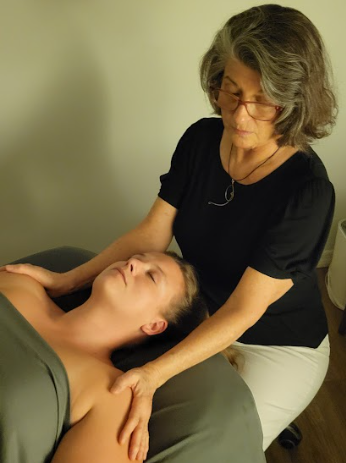
Healing trauma doesn’t mean reliving it or forcing emotional breakthroughs. Often, it means creating safety—slowly and consistently—within the nervous system. Practices such as gentle bodywork, breathwork, somatic therapies, mindfulness, and compassionate touch can help signal to the body that it is safe to rest, digest, and repair. At PLT&C, we can help you with some of these healing practices, and for others, we have an extensive network of trusted practitioners to whom we can refer you.
As the nervous system settles, digestion often improves naturally. The body can absorb nutrients more efficiently, inflammation may decrease, elimination becomes more regular, and people frequently report feeling more “at home” in their bodies.

True healing is rarely about fixing one isolated system. It’s about honoring the deep connection between mind, body, and lived experience. When we acknowledge trauma’s impact on the gut — and approach healing with patience and gentleness — we create the conditions for profound, whole-body restoration.


Comments